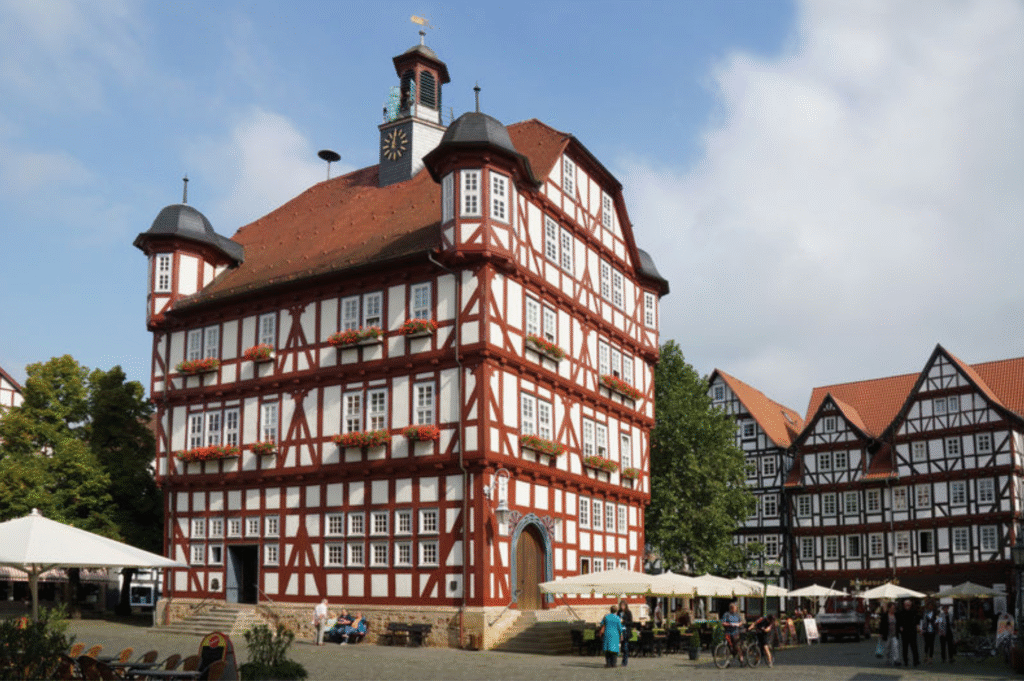
Melsungen is a peri-urban area near Kassel in northern Germany, characterised by strong commuting flows and close links to major working hubs, such as B. Braun. These conditions create pressure on local transport systems, with congestion, inefficient logistics flows, and limited alternatives to car-based mobility.
As a satellite of the Rome Mega Pilot, Melsungen focuses on how logistics and mobility solutions developed at metropolitan scale can be adapted to a smaller, peri-urban context. The pilot works closely with local stakeholders to test how these solutions perform in real conditions, particularly in areas with strong links between employment sites and surrounding communities.
Melsungen is a peri-urban area near Kassel in northern Germany, characterised by strong commuting flows and increasing mobility demands between residential areas, employment centres, and surrounding communities. These conditions create pressure on local transport systems, leading to congestion, inefficient logistics flows, and limited alternatives to car-based mobility. Beyond serving major working hubs such as B. Braun, the pilot also aims to improve the overall accessibility, connectivity, and sustainability of mobility services across the wider peri-urban region of Melsungen.
As a satellite of the Rome Mega Pilot, Melsungen focuses on how logistics and mobility solutions developed at metropolitan scale can be adapted to a smaller, peri-urban context. The pilot works closely with local stakeholders to test how these solutions perform in real conditions, particularly in areas with strong links between employment sites, residential communities, and regional transport networks. To support these objectives, the pilot will implement at least three hubs: one in Melsungen’s central area, another at the B. Braun premises, and a third in the transition zone between urban and peri-urban areas. These hubs will support multimodal mobility, logistics coordination, and improved first- and last-mile connectivity for residents and commuters.
The core focus is the development of a unified data environment that integrates information from traffic systems, sensors, satellite data, and citizen input into a single platform, supporting more efficient, sustainable, and user-oriented mobility management in peri-urban environments.