On October 9, 2026, BIO-INTEL-MOB partners launched the co-design of Peri-Urban Mobility Hubs with a first participatory workshop in Izmir, Turkey.
Organised by project partner Ege University, the workshop explored how stakeholders with diverse backgrounds would envision the Peri-Urban Mobility Hubs being developed under BIO-INTEL-MOB.
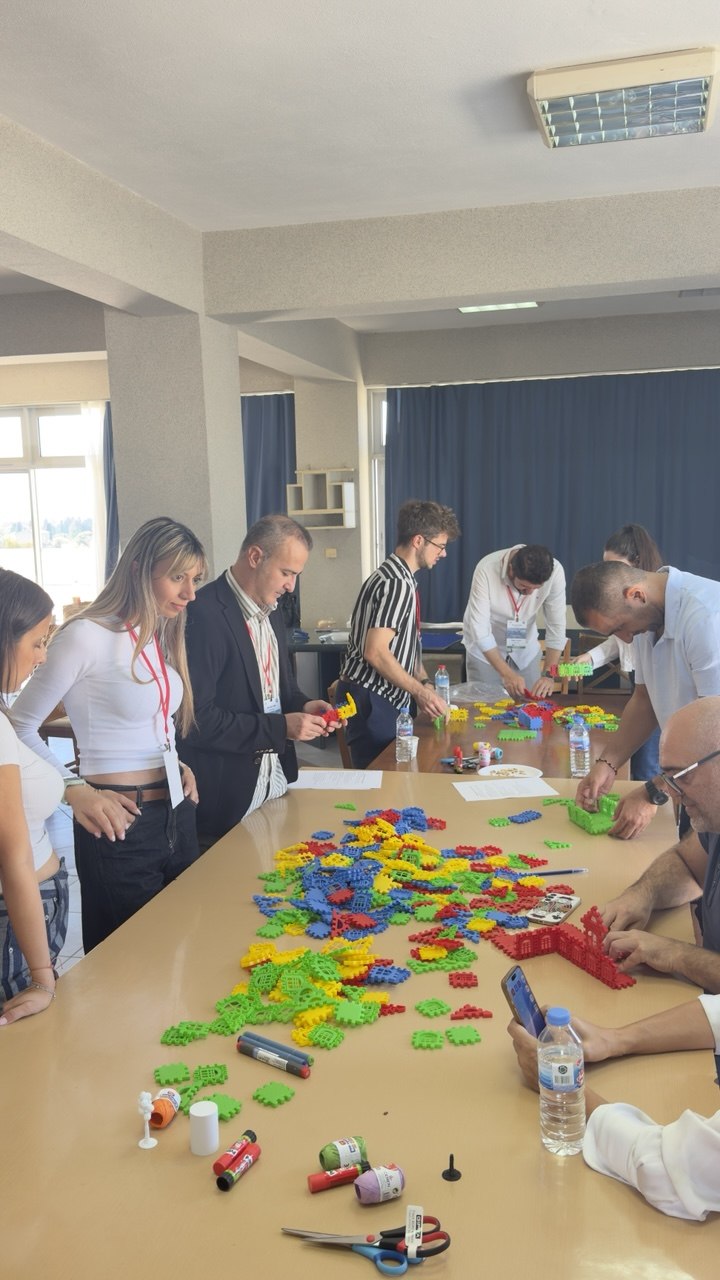
BIO-INTEL-MOB invited 26 local stakeholders from three municipalities (Urla Municipality, Karşıyaka Municipality, İzmir Metropolitan Municipality) and diverse age groups to build their own Hub from the ground up. This included students, civil engineers, academics and vulnerable road users.
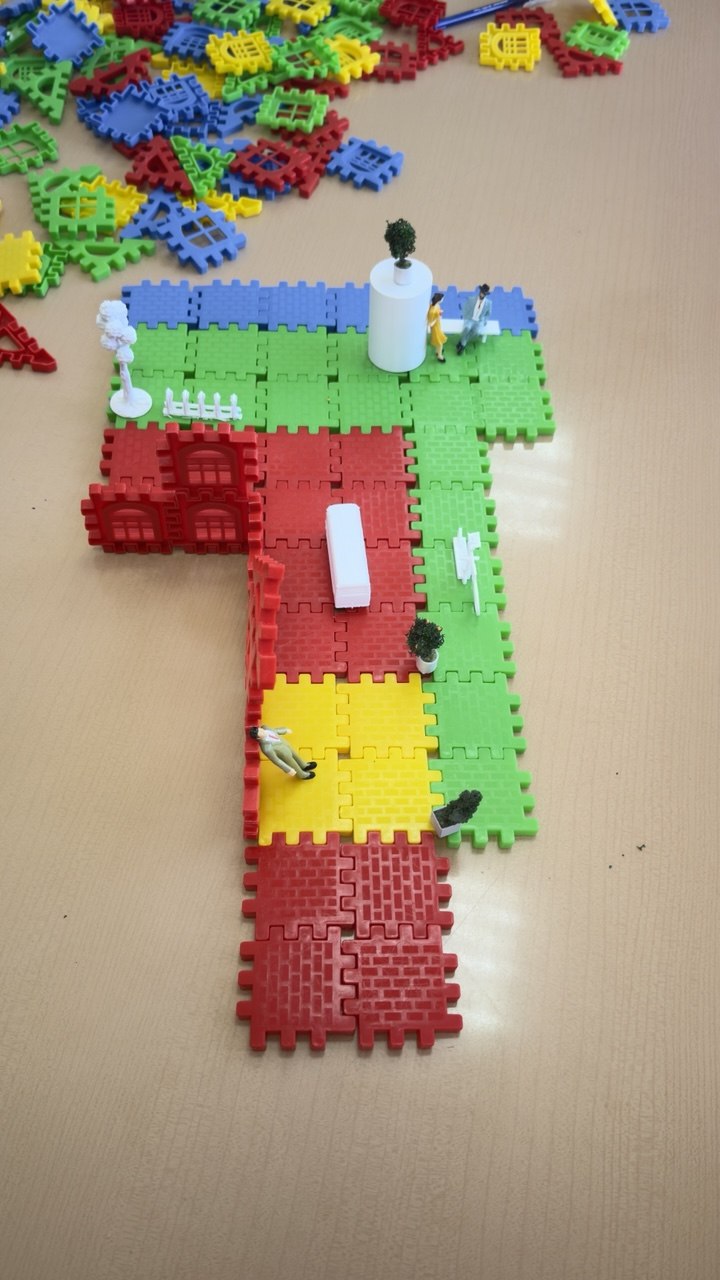
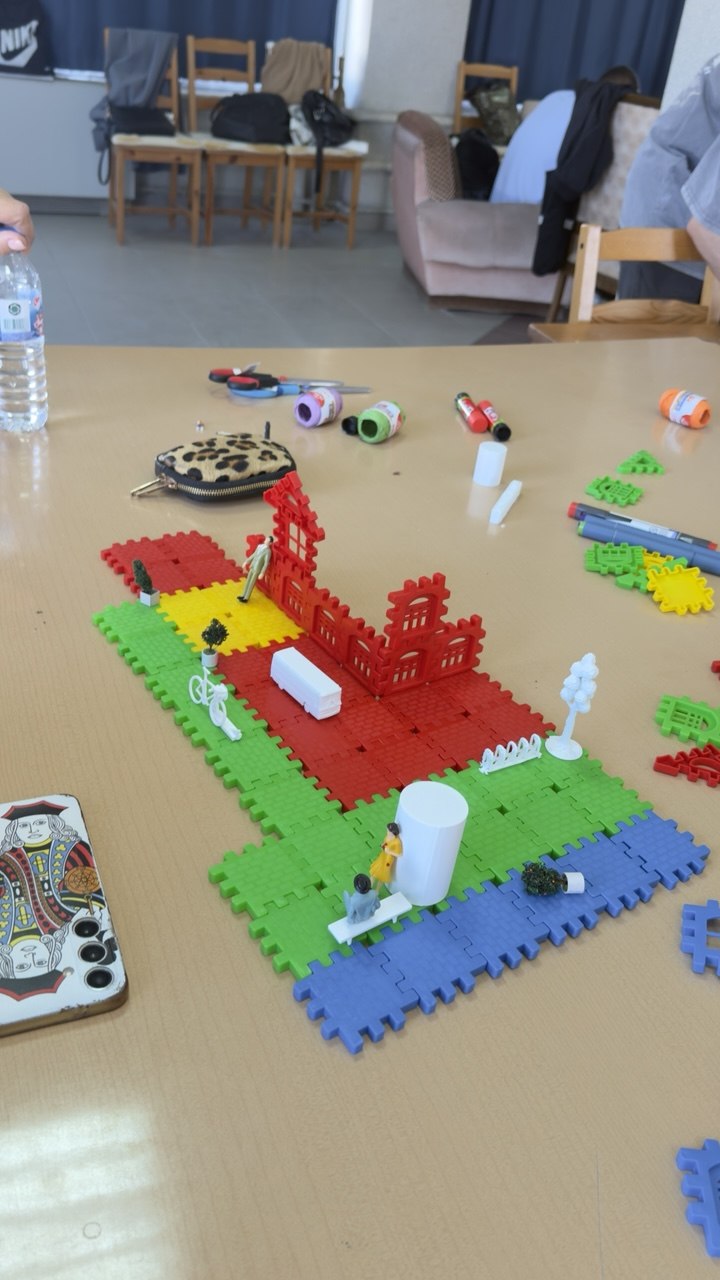
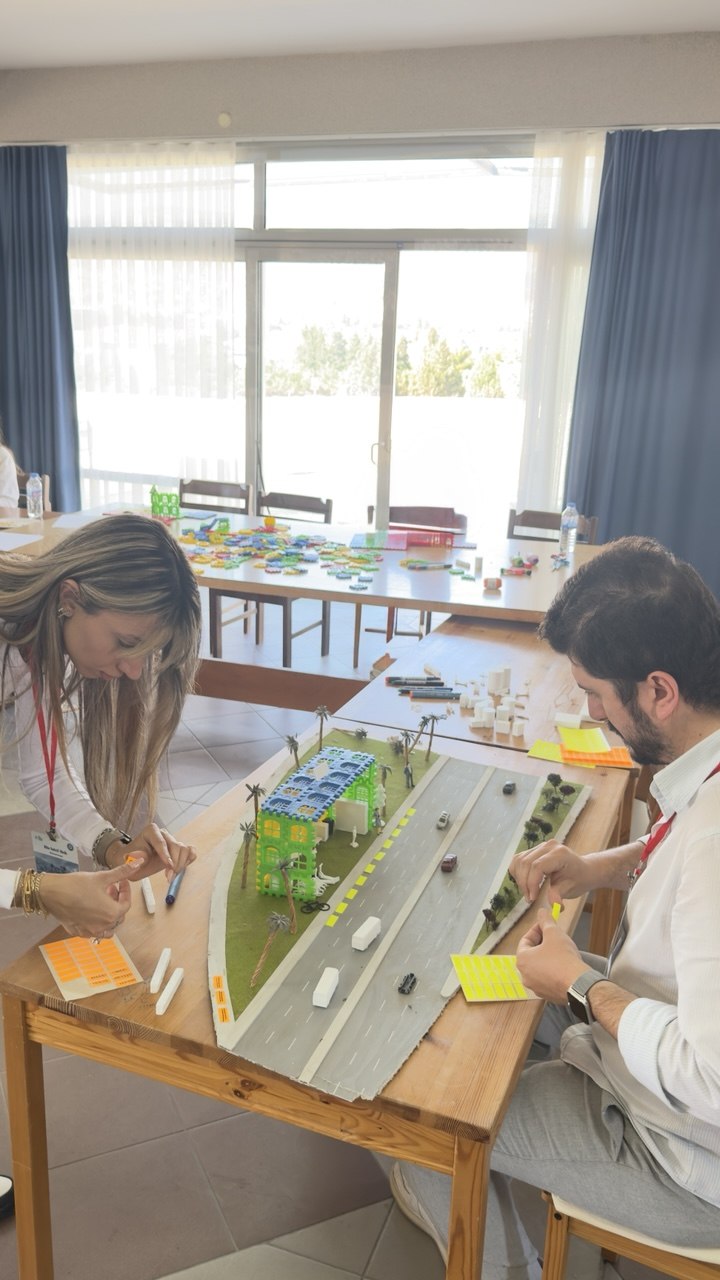
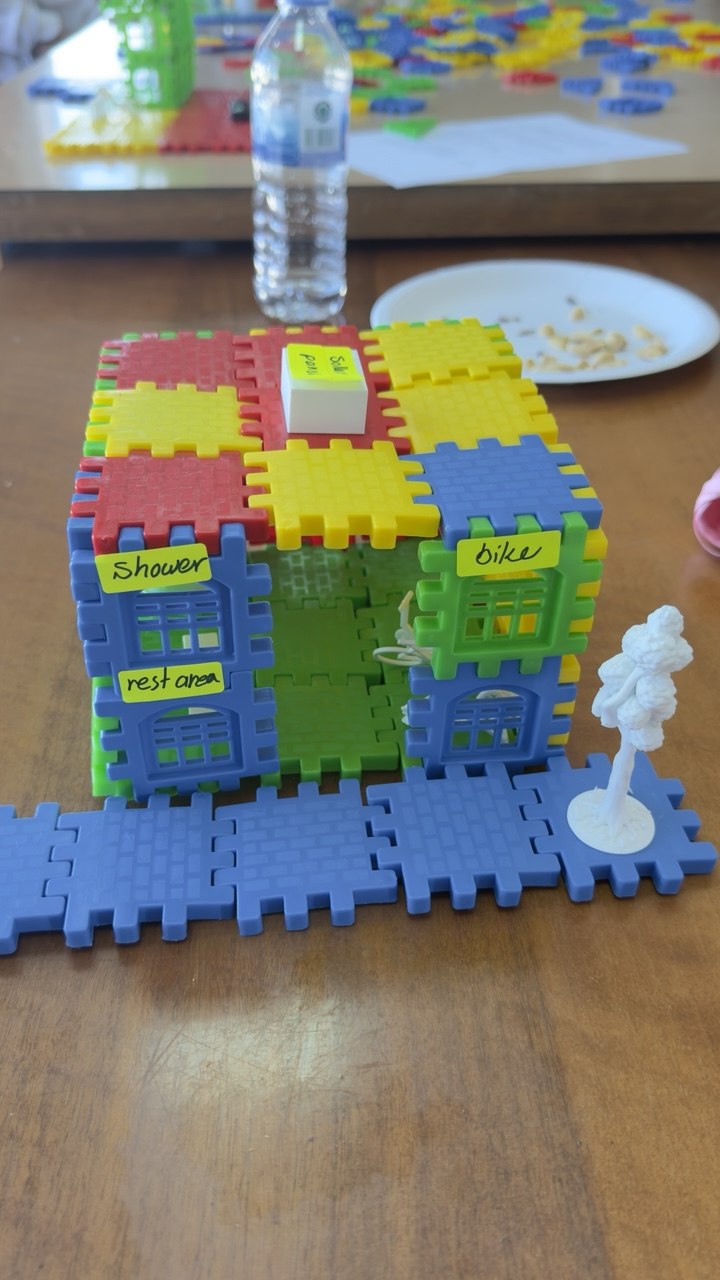
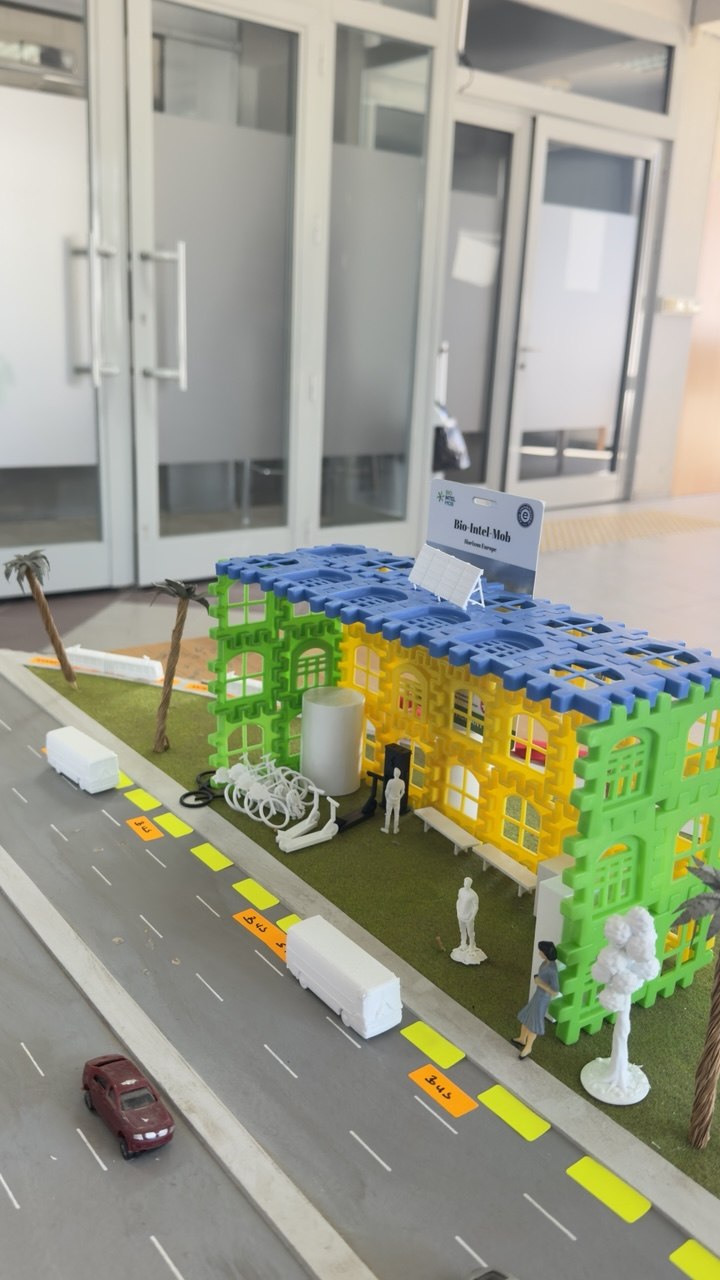
Participants were provided with a road-network base, together with a wide range of small physical components. LEGO-type elements allowed participants to construct the hub itself, while small items – such as bicycles, bicycle boxes, digital information screens, charging stations, shared and private e-scooters, tram and bus elements, cars, pedestrian figures, solar panels, waste bins, benches and trees – were put at the participants’ disposal to complete the hub based on their needs. Empty boxes were also provided for participants to propose additional components that had not been anticipated by the project team.
The instruction remained the same for all groups, and deliberately simple: “Design a road and mobility hub that you would consider useful and include the components that you believe should be part of it”.
By providing an open structure, with no predefined hub design, the exercise generated ideas that had not initially been considered. For example, including a public shower within a Peri-Urban Mobility Hub proved highly relevant in the context of a coastal municipality such as Urla, and was positively received by the municipality.
While each group developed a unique design, several common preferences emerged across the proposed hubs. Greenery and vegetation were frequently incorporated into the designs, while solar panels and seating areas were among the first elements selected. The group also consistently integrated micromobility components, particularly bicycles and e-scooters, into the proposed hubs.
The workshop demonstrated the value of involving local stakeholders directly in the design process. Their contributions complemented the project’s technical analyses and provided insights into local mobility needs, travel patterns, lifestyles and environmental conditions, helping ensure that future mobility hubs reflect the realities of peri-urban communities.