ROME

ROME MEGA PILOT

Transforming urban–peri-urban logistics and mobility through data integration, circular solutions, and coordinated governance

Rome concentrates many of the structural challenges that European cities face when managing mobility and logistics at metropolitan scale. The coexistence of dense historic areas with extensive peri-urban zones creates clear mismatches between where demand is generated, how infrastructure is organised, and how transport and logistics operations actually function.

Rome acts as a testing ground for how data, logistics, and decision-making can work together more effectively. The pilot combines a shared data platform and digital simulation tools with routing systems that improve efficiency, safety, and emissions. At the same time, it introduces reusable packaging solutions for cleaner deliveries and governance tools that help authorities and stakeholders make better, data-informed decisio

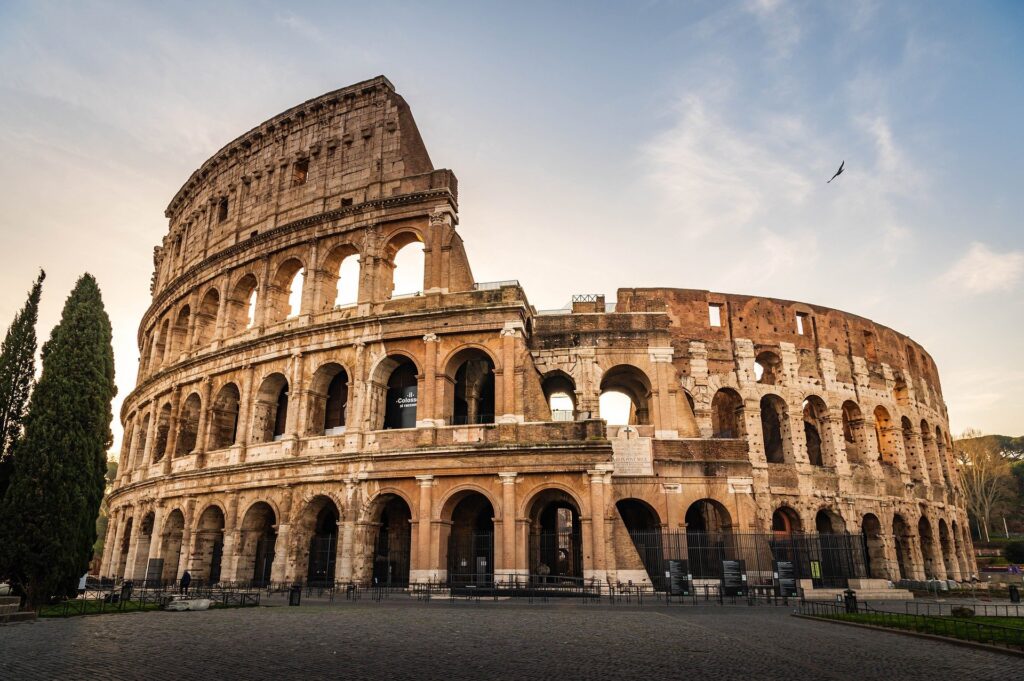
CONTEXT

Rome combines dense urban areas with large peri-urban zones, creating complex mobility and logistics patterns.

CHALLENGE

Congestion, inefficient last-mile deliveries, fragmented data, and rising emissions put pressure on the system.


IMPACT

More efficient logistics, lower emissions, safer streets, and better coordination between stakeholders.

Key actions

  • Green-Safe Vehicle Routing (GSVRP)

    A routing tool that calculates and updates freight delivery routes using real-time traffic, emissions data, and safety indicators, helping operators choose more efficient and safer paths.

  • Circular logistics (bioPLU)

    Reusable, IoT-enabled packaging units designed for last-mile delivery, allowing tracking, optimisation of loading, and integration with low-emission modes such as cargo bikes.

  • Digital Twin of logistics corridors

    A digital platform that replicates logistics corridors using live and historical data, allowing planners to test scenarios, identify bottlenecks, and optimise operations before implementation.

  • Advanced Mobility Data Space (aMDS)

    A shared data platform that collects and integrates data from sensors, traffic systems, and logistics operators, providing a unified interface for monitoring and analysing mobility and freight flows.

  • Smart City Governance framework (SCGo)

    A digital decision-support and participation tool that enables authorities and stakeholders to simulate scenarios, assess policy impacts, and incorporate citizen feedback into planning grocesses. These include Gamified participatory governance tools and VR/AR planning simulations.

Cooperation with Pilots

Vilnius & Riga

Collaboration on the advanced Mobility Data Space (aMDS), a shared data platform integrating mobility and logistics data from multiple sources to enable interoperable data sharing, real-time analytics, and cross-city comparison.

Cascais

Joint development and testing of Green-Safe Routing Algorithms (GSRA) and Peri-Urban Mobility Hubs (PUMHs), combining routing tools with physical infrastructure to improve safety, efficiency, and multimodal connectivity.

All mega pilots

Alignment on the Smart City Governance framework (SCGo), a digital decision-support and participation tool used to simulate scenarios, assess policy impacts, and involve stakeholders and citizens in planning processes.

Partners Involved